
Property Development Loans in Germany
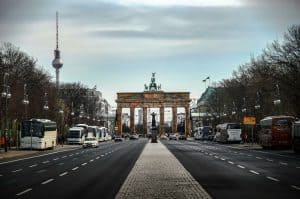
Germany Property Development Finance
How Property Development Finance Works in Germany
Property development finance is a short-term, interest-only loan used specifically for the purchase of land and the construction costs of a building project. Unlike a standard mortgage, the loan is disbursed in “tranches” or stages.
The Purchase: The lender provides an initial sum to help acquire the site.
The Build: As your contractors meet specific milestones (e.g., foundation, shell, roof), a surveyor verifies the work, and the next stage of funding is released.
The Exit: Once the project is complete, you repay the loan by either selling the units or refinancing onto a long-term investment loan.
Why Choose Specialist Lenders Over Traditional German Banks?
In 2026, the German lending environment has split. While traditional retail banks (Sparkassen and Volksbanken) have become increasingly selective, private specialist lenders have stepped in to fill the gap with more aggressive and flexible terms.
| Feature | Traditional German Banks | Specialist Private Lenders |
|---|---|---|
| Approval Speed | 8–12 weeks | 1–2 weeks |
| Max Loan-to-Cost (LTC) | Usually capped at 60-70% | Up to 85% (higher with experience) |
| Equity Requirement | High (often 30-40% for foreigners) | Flexible (focused on project profit) |
| Decision Focus | Credit score and local history | Project viability and exit strategy |
| Non-Resident Friendly | Often requires a German residence | Open to international developers |
Key Lending Criteria for 2026
To secure the best rates in today’s market, lenders look for “de-risked” projects. Even for international developers without a long history in Germany, you can qualify by meeting these core pillars:
The Structural Gap: Germany currently faces a shortage of over 320,000 homes per year, while completions are falling toward 215,000. Projects in “Top 7” cities (Berlin, Munich, Hamburg, Frankfurt, Cologne, Stuttgart, Dusseldorf) are highly favored because the demand practically guarantees a successful exit.
ESG Compliance: Lenders are prioritizing energy-efficient “Green” builds. Projects meeting modern efficiency standards often qualify for lower interest rates.
Fixed-Price Contracts: With construction costs stabilizing but still elevated, having a fixed-price agreement with a reputable contractor provides lenders the certainty they need to approve high-leverage funding.
90% loan to cost & or 75% loan to GDV
- Borrowing from £1,000,000 to £500,000,000
- New-builds & conversions
- Single-units or multi-unit projects
- Houses, flats, property with a commercial element
- Change of use
- Developers of all experiences, including first time buyers
- Regulated & unregulated products
- Acquisition & completion of partially built developments
- Mezzanine & joint venture
- 100% of the build costs & up to 70% land cost on day 1
- Acquisition and refurbishment then sale
What You Can Borrow
Loan Amounts: Typically starting from €1 million up to €500 million+.
Interest Rates: Generally range between 6% and 11%, depending on the project’s risk profile and your experience.
Loan Term: Usually 12 to 36 months, providing ample time for construction and sale.
What Are the Main Development Finance Costs?
Fees, charges and general borrowing costs vary significantly from one lender to the next. The following will apply in most instances as the primary costs of development finance:
Facility fee – More commonly referred to as an arrangement fee, the facility fee is calculated as a percentage of the total cost of the loan (gross or net).
Interest rate – Interest on a development finance loan can be charged on an annual or monthly basis. Annual interest rates of 7% are not uncommon, as are monthly interest rates of 1%. Longer-term facilities attach lower rates of interest, though cost more than those that are repaid quicker.
Exit fee – Sometimes called a completion fee, the exit fee is usually calculated as a percentage of the total cost of the loan (gross or net). Some lenders charge a percentage of the total value of the completed project – not the sum borrowed.
Broker fee – Some brokers offer their services free of charge for customers, receiving commissions from lenders upon successfully referring customers. Some brokers impose a fixed fee for their services or charge a percentage of the total value of the loan.
These are just some of the primary costs to take into account when considering German development finance. Working with an independent broker will help ensure you gain access to the best possible deal to suit both your requirements and your budget.
If a fee is charged, you will be informed of this in our initial quotation.
Other Development Finance Costs to Take Into Account
Additional development finance costs to take into account (which may or may not be applicable) include the following:
Valuation fees – It will usually be necessary for an initial valuation to be carried out by a neutral third party, in order to assess the open market value of the security. This will also typically include a projected valuation of the completed project.
Application fees – Some lenders and brokers impose fees simply for submitting an initial application, or seeking advice on development finance.
Legal fees – If it becomes necessary to hire a solicitor or seek qualified legal advice, the applicant will be responsible for meeting all such costs accordingly.
Administration fees – This is a somewhat vague term, which can apply to almost any additional cost imposed by the lender. Some brokers also charge administration fees –
Monitoring fees – Development finance lenders will naturally need to monitor the progress of the project, in order to ensure it is reaching its predetermined goals. This is to make sure their investment is sound, and the funds allocated are being used as agreed. All monitoring fees are picked up by the borrower.
Draw down fees – Each time a new installment of funds is transferred to the borrower, an additional fee known as a draw down fee may apply. This could be a set fee, or charged in accordance with the size of the installment.
Telegraphic Transfer fee (TT Fee) – This is a cost imposed by the banks handling the money transfers, which in the case of development finance can be comparatively large. Nevertheless, TT fees are generally quite small and charged at a fixed rate.
Professional Development Loans for German Property Projects
Finding the right funding partner is the difference between a project that breaks ground and one that sits as a blueprint. We focus on connecting international developers with lenders who prioritize the viability of the project over rigid institutional checkboxes.
What is German Development Finance?
Property development finance is a short-term loan used to cover the cost of purchasing land and the subsequent construction costs of a building project. Unlike a standard mortgage, the funds are usually released in stages as the build progresses.
Why Choose Private Lenders Over Traditional Banks?
Private lenders offer speed and flexibility that retail banks cannot match. They look at the “future value” of your project, allowing for higher borrowing limits and faster approval times, which is vital in a competitive market like Germany.
Secure Funding for Ground-Up Construction Across Germany
Whether you are building a residential block or a warehouse, ground-up construction requires a lender who understands the timeline of a new build.
Funding the Full Lifecycle of Your Build
Our lenders provide facilities that cover you from the initial site preparation through to the final completion. This ensures you aren’t constantly searching for new capital at every stage of the construction process.
Reliability in the German Market
Germany’s construction sector is highly regulated. You need a lender who is comfortable with these regulations and won’t get cold feet halfway through the project because of local planning nuances.
High-Leverage Finance: Get Your Project Moving with Less Equity
One of the biggest barriers for developers is the amount of “cash in” required. We specialize in high-leverage loans that allow you to keep your capital for other opportunities.
Maximizing Your Loan-to-Cost (LTC)
While many banks might only offer 60% of the costs, our lenders can often go much higher. This means you can fund a larger portion of the construction and land purchase through the loan.
Preserved Cash Flow for Developers
By using higher leverage, you maintain a healthier cash reserve. This is essential for handling the unexpected costs that inevitably arise during a large-scale development.
Competitive Rates for Residential New Builds
Residential property remains one of the safest bets in Germany. Whether it’s apartments in a city center or suburban housing, we have lenders specifically hungry for residential schemes.
Affordable Housing and Luxury Apartments
Our lending partners fund a wide range of residential types. From high-density affordable housing to premium luxury penthouses, the terms are tailored to the specific exit strategy of your project.
Why Residential Projects Get Favorable Terms
Lenders love residential because the “exit” (selling the units or refinancing) is usually very clear. This lower risk profile often translates into better interest rates for you.
Fast-Track Funding: Avoid the Delays of Banks
In development, time is literally money. Every week spent waiting for a bank committee to meet is a week of contractor costs and missed opportunities.
Decision Making in Days, Not Months
Our lenders operate with flat management structures. This means you get a “yes” or “no” quickly, allowing you to move forward with confidence or pivot your strategy without wasting months.
Streamlined Due Diligence
We help you package your application so it sails through the underwriting process. By knowing exactly what lenders want to see, we cut out the back-and-forth that usually slows things down.
Development Loans for Commercial and Mixed-Use Sites
Commercial projects—offices, retail, and mixed-use—require a different analytical approach. Our lenders understand the nuances of commercial leases and tenant profiles.
Financing Modern Office Spaces
With the shift toward flexible working, lenders are looking for modern, high-spec office developments. We can help you secure funding for projects that meet current market demands.
The Rise of Mixed-Use Developments
Combining residential units with ground-floor retail is a popular model in German cities. We provide “all-in-one” loans that cover the complexities of these dual-purpose builds.
Land Purchase and Construction Finance Rolled Into One
Buying the land is just the first hurdle. We offer facilities that cover both the acquisition of the site and the total cost of the build.
Moving from Acquisition to Construction
You don’t want two different loans from two different lenders. Having a single facility for the land and the build simplifies your interest payments and your reporting requirements.
Funding Sites with Potential
Some of our specialist lenders will consider sites that are still in the final stages of planning, provided there is a clear path to approval and a strong project vision.
Simple Lending Criteria Designed for Active Developers
We believe that if a project makes sense, it should be funded. Our lenders focus on the quality of the project and the experience of the team rather than just a credit score.
What Lenders Look For
The primary focus is on your “track record.” If you have built similar projects successfully before, our lenders will be very keen to work with you.
Flexibility for International Borrowers
You don’t need to be a German national to access this finance. Our lenders are comfortable working with international developers who have a solid local team in place.
Financing for Major Refurbishments and Conversions
Not every project starts from zero. There is a massive market in Germany for converting old industrial or office buildings into modern residential hubs.
Funding Heavy Refurbishments
If you are stripping a building back to its shell, you need development finance, not a standard mortgage. We provide the capital needed for structural changes and complete overhauls.
Office-to-Residential Conversions
Converting underused commercial space into apartments is a huge trend. Our lenders have specific products designed for these “change of use” projects.
Transparent Terms: No Hidden Fees on Your Facility
There is nothing worse than getting halfway through a build and realizing there are hidden fees you didn’t account for.
Clear Breakdown of Costs
We ensure you get a full breakdown of the interest rates, arrangement fees, and any commitment fees upfront. No surprises, just straightforward numbers.
Predictable Interest Payments
Most development loans use “rolled-up” interest. This means you don’t have to make monthly payments while the build is happening, which protects your project’s cash flow.
Funding for Tier-1 Cities: Berlin, Munich, Hamburg, and Beyond
While we cover all of Germany, our lenders have a high appetite for the major cities where demand for property is highest.
Capitalizing on Urban Demand
Cities like Frankfurt and Stuttgart are constantly growing. Securing finance for projects in these hubs is often faster because the exit (sale or rental) is virtually guaranteed.
Regional Opportunities in Growing Towns
We also look at secondary cities where the yields can be higher. If the local economy is strong, our lenders will follow the opportunity.
Flexible Drawdown Schedules to Match Your Construction
You shouldn’t pay interest on money you aren’t using yet. Our loans are structured so you only draw down funds as you hit specific build milestones.
Paying for Work Completed
Typically, an independent surveyor will check the site once a month. Once they confirm the work is done, the lender releases the next amount of cash to pay your contractors.
Managing Your Interest Costs
By only drawing down what you need, you keep your total interest bill as low as possible throughout the duration of the project.
How to Qualify for a German Property Development Loan
While our lenders are flexible, they do need to see a professional setup. Qualification is about proving that your project is profitable and your team is capable.
The Importance of a Solid Appraisal
A professional valuation is the cornerstone of your application. It needs to show the current value of the land and the expected value of the finished project.
Showing Your Project Costs
Lenders will want to see a detailed build contract. This gives them confidence that the project won’t run out of money before it’s finished.
Expert Support from Lenders Who Know the Market
When you work with us, you aren’t just getting a loan; you’re getting a partner who understands German building costs and market trends.
Navigating Local Requirements
From environmental standards to local zoning laws, having a lender who has “seen it all before” in Germany is an invaluable asset for an international developer.
A Network of Professional Partners
If you need recommendations for surveyors, architects, or legal teams within Germany, we can connect you with the right people to make your project a success.
The German Real Estate Market in 2026: An Overview for Developers
As we move through 2026, the German property market is entering a phase of stabilization and renewed opportunity. For international developers, understanding the current climate is crucial for securing the right financing and ensuring project profitability.
A Turnaround in Construction Activity
After several years of declining completions and rising costs, 2026 marks a projected “trend reversal” for the German construction industry. While volumes are still below the 2020 peak, a modest growth of around 2% is expected. This stabilization is a welcome signal for lenders who were previously cautious about cost volatility.
The Massive Demand-Supply Gap
The core driver for investment in 2026 remains the chronic undersupply of housing. Germany requires approximately 400,000 new units annually, yet completions for 2026 are projected at only around 185,000 to 205,000 units. This “structural bottleneck” means that residential projects—particularly in major cities—benefit from incredibly strong fundamentals and clear exit strategies.
Sector-Specific Trends for 2026
Residential Excellence: Rental growth is expected to continue at a pace of 3.5% to 5% in supply-constrained markets.
Office Quality Over Quantity: Demand is shifting toward high-quality, centrally located, and ESG-compliant spaces. Modern, energy-efficient offices in CBD locations are still highly attractive to lenders.
The Rise of Industrial & Logistics: Driven by e-commerce and a push for domestic production, logistics hubs remain a favorite for international capital.
The German Development Finance Checklist
Download this list to ensure your project is “lender-ready” before you apply.
Personal & Company Documents
Passport copies for all directors and significant shareholders.
Company registration documents (translated into English).
Proof of address (utility bills or bank statements from the last 3 months).
Asset & Liability statement for the main sponsors.
Project & Site Information
Proof of site ownership or a signed purchase agreement.
Planning permission evidence (drawings, site plans, and approval letters).
Detailed build budget including professional fees and a 10% contingency.
Project timeline showing milestones from groundbreaking to completion.
The Financial Case
Professional valuation report (if already commissioned).
Development Appraisal showing land cost, build cost, and expected sale value.
Exit Strategy: Clear evidence of how the loan will be repaid (e.g., sale of units).
Developer Track Record: A simple CV of previous projects successfully completed.
Request Your Project Funding Quote and Start Building Today
The first step is a simple conversation. We don’t need a 100-page document to give you an initial idea of what we can offer.
Get a Preliminary Terms Sheet Fast Send us the basics: the site location, the purchase price, and the build costs. We can usually get back to you with an “in principle” offer within 48 hours.
Ready to Take the Next Step? Don’t let your project stall because of slow banking processes. Partner with a broker who understands the speed of modern development.
Frequently Asked Questions – German Development Finance
Can a non-resident or foreign company get a development loan in Germany?
Yes. There are no legal restrictions preventing foreign individuals or international companies from securing development finance in Germany. However, lenders will perform rigorous Anti-Money Laundering (AML) checks and require clear documentation regarding the source of your equity.
What is the maximum Loan-to-Cost (LTC) available?
While traditional banks usually cap their lending at 60%, specialist private lenders can offer up to 80% or 85% LTC. This allows you to leverage your project significantly, keeping more of your own capital free for other acquisitions.
What are the current interest rates for German construction loans in 2026?
As of early 2026, interest rates for development finance typically range between 6% and 11%. The exact rate depends on your experience as a developer, the project’s location (Tier-1 vs. Tier-2 cities), and the overall risk profile of the build.
Do I need to have a track record of building in Germany specifically?
Not necessarily. While a local track record is preferred, lenders are often satisfied if you have a solid international portfolio combined with a local German team, such as a reputable German architecture firm or a general contractor with a strong regional presence.
How fast can I get a lending decision?
One of the main advantages of using a broker for specialist lenders is speed. You can typically expect a preliminary terms sheet within 48 hours and a formal commitment within 2 to 4 weeks, compared to several months with traditional retail banks.
What is the typical term for a development loan?
Development facilities in Germany are generally short-term, ranging from 12 to 36 months. This provides enough time to acquire the land, complete the construction, and either sell the units or transition to a long-term investment mortgage.
Can I get funding for the land purchase as well as the build?
Yes. Most development loans are structured to provide an initial drawdown for the land acquisition (typically 50-60% of the land value) followed by staged payments to cover 100% of the construction costs as milestones are met.
How do “drawdowns” work during the construction phase?
Funding is released in stages, known as tranches. An independent surveyor (often called a Baukontrolleur) will visit the site monthly to verify progress. Once they sign off on the work completed, the lender releases the funds for that specific phase.
What are the main “Exit Strategies” accepted by lenders?
Lenders need a clear path to being repaid. The two most common exits are:
Open Market Sale: Selling the individual units (condos) or the entire building to an institutional investor.
Refinance: Moving the debt to a long-term “Buy-to-Let” or commercial investment loan once the building is occupied and generating rent.
Are there extra costs for “Green” or energy-efficient builds?
While sustainable materials may have a higher upfront cost, in 2026, many German lenders offer discounted interest rates (Green Margins) for projects that meet high energy-efficiency standards (such as EH40 or better). These projects are also much easier to exit, as demand for sustainable buildings is at an all-time high.
About Us
Platinum Global Bridging Finance is a distinguished high-net-worth finance broker. We specialize in providing tailored financial solutions, including Property Bridging Finance, Development Finance, Single Stock Loans, Margin Stock Loan, Crypto Finance, Crypto Loans and Commercial Property Finance tailored to meet the diverse needs of our clientele seeking robust financial lending solutions.
Other Financing Options We Offer
International Bridging Loans | Expat Mortgages | MUFB Mortgages | Portfolio Mortgages | United States Mortgages | Universal Life Insurance | Expat Life Insurance | Expat Health Insurance | Crypto Financing | Securities Backed Lending | Pre IPO Loans | OTC Stock Loans | Aircraft Financing | Unregulated Bridging Loans | Share Portfolio Loans | 144 Restricted Stock Loans | Crypto Backed Lending | Unlisted Stock Loans