
Art finance lets you borrow against a fine art collection without selling it. We arrange bridging-style loans from £1m to £200m+ secured on paintings, sculpture and works on paper, for terms of 6 months to 3 years. You keep ownership of the art, and depending on the work and the lender, it can sometimes stay in your possession.
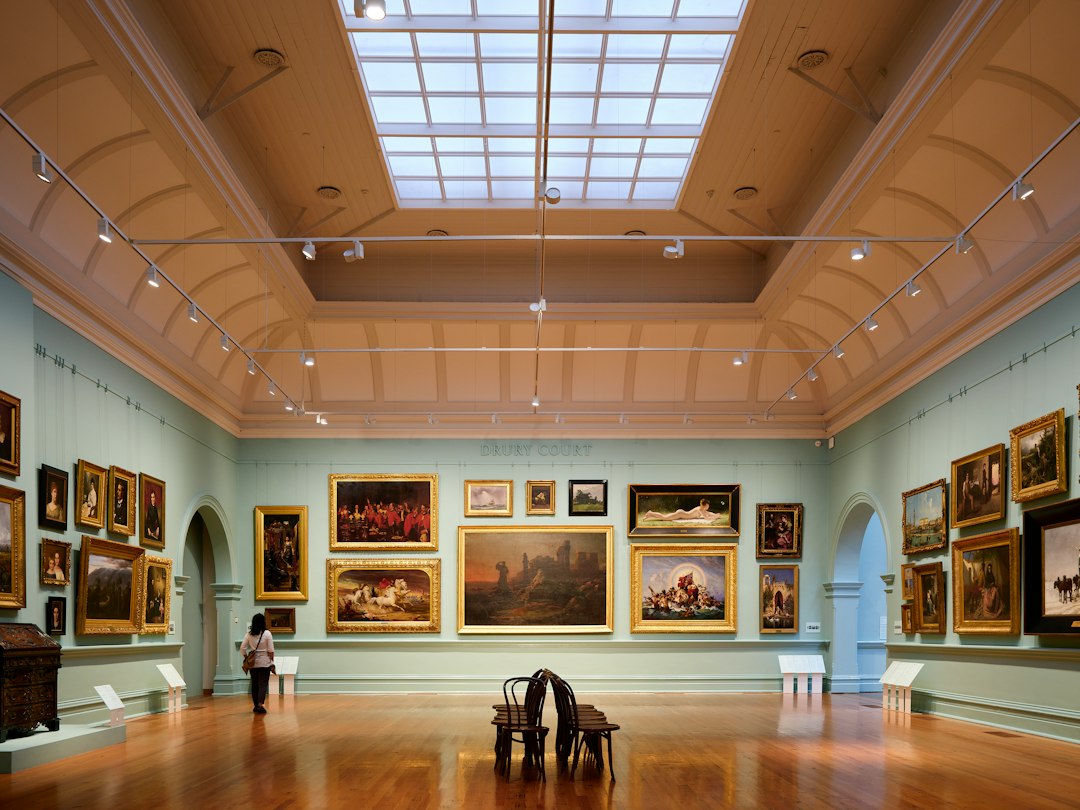
Art Finance – Loans Against Fine Art
What Is Art Finance?
Art finance is lending secured on artworks. The lender takes security over the art, advances a percentage of its value, and releases that security when the loan is repaid. Many people search for it as art loans, art backed loans or loans against art. They all mean the same thing: raising capital from a work you own and want to keep.
Because the loan is secured on the art, approval rests mainly on the value, quality and title of the work rather than on income. That makes it a practical option for owners who are asset-rich but want liquidity for a purchase, a business or a tax bill.
What We Lend Against
We consider loans secured on:
- Paintings, including modern, contemporary and Old Master works
- Sculpture and works on paper
- Prints, photographs and editions by established artists
- A single high-value work or a whole collection
- Art held alongside property or other assets as combined security
Works with a strong, established market and clear provenance are the easiest to finance. We assess each case on its merits, so if your collection is unusual, ask us.
Blue-Chip, Fine Art and Contemporary Works
Different parts of the art market behave differently under stress. Established masters and historical works tend to have more predictable valuations and usually attract the strongest terms. Contemporary works can rise quickly but can also fall quickly, so lenders price that volatility in, often with a lower loan to value. Emerging artists may be financed, but they need a visible sales record. If you are unsure where your collection sits, send us the details and we will tell you.
What Lenders Look For
Lenders weigh the artist’s market and auction record, provenance and authenticity, clear title, condition, the depth of the market for the work, and a sensible plan for repayment. The stronger the secondary market, the better the terms tend to be.
Art Finance Loan Terms
| Loan size | £1m to £200m+ |
| Term | 6 months to 3 years |
| Loan to value | 50% to 60% of the value of the art |
| Borrowers | Individuals, companies and trusts |
| Security | Fine art, held in storage or, in some cases, left with you depending on the work |
| Location of art | Considered case by case, including works held outside the UK |
Interest, fees and timescales depend on the work, the loan size and the term. We agree them with you before you proceed.
How the Art Is Valued
Valuation drives the whole loan. Art has no daily price, so lenders combine several sources: recent auction sales of comparable works, private sale and dealer evidence for less liquid pieces, and an independent appraisal from a recognised specialist. They then apply a cushion, usually lending against a conservative figure rather than the highest estimate. Valuations can be refreshed during the term, and the lender may ask for a new one if the market moves. Insuring the work for its full value is normally a condition.
Loan to Value: What Affects It
The percentage we can arrange depends on how liquid the artist’s market is, how volatile prices are, where demand sits geographically, the condition of the work and the stage of the market cycle. Stronger, more liquid works sit at the higher end of the range.
Recourse and Non-Recourse Art Loans
With a recourse loan you remain personally liable if the art is worth less than the debt. With a non-recourse loan the lender’s only recovery is the artwork itself. Non-recourse loans usually carry a lower loan to value and cost more. The right structure depends on your goals and how much risk you are willing to carry.
What Does Art Finance Cost?
Pricing reflects how liquid the art is, the loan size and the term, so it varies from lender to lender. Beyond interest, expect some or all of the following:
- Valuation and appraisal fees
- Legal documentation costs
- Storage and insurance costs
- Arrangement fees
We set out the full cost for your case before you proceed, so there are no surprises.
Common Uses for Art Finance
- Buying more art: fund an acquisition without selling other works.
- Sale advance: raise money against a work you intend to sell while you wait for the right moment or auction.
- Refinancing: replace an existing art loan, or repay one that is reaching maturity.
- Business liquidity: raise capital for a company, investment or property purchase.
- Estate, tax and trust needs: meet a bill without forcing a sale.
- Bridging a gap: cover a short or medium-term need until other funds arrive.
How Art Finance Works
- Tell us about the art. Send us the artist, title, medium, size, condition and where the work is held, together with how much you want to borrow and for how long.
- Valuation and title checks. An independent specialist values the work. We check provenance and ownership, and that nothing else is secured against it.
- Terms and security. We agree the loan amount, term and security. The lender takes security over the art.
- Funding. Once documents are signed and the security is in place, the funds are released.
- Repayment. You repay at the end of the term, or earlier. The security is then released and the art is yours free of the loan.
Where the Art Is Kept and Cross-Border Loans
Some works stay with the owner. Others go into specialist storage for the loan term, which may be in a different country from the borrower. Cross-border loans need careful legal structuring, particularly where art is held in bonded storage or a gallery abroad, and you should consider capital gains, VAT and customs if a work changes location. We explain the position early and bring in the right advisers where it matters.
Repaying the Loan: Exit Strategies
Every art loan needs a clear way out. The usual routes are:
- Planned sale: sell the work privately or at auction when the timing suits you.
- Refinancing: replace the loan with a longer-term facility if your plans change.
- Cash repayment: use another asset sale, a bonus, dividends or other funds.
A defined exit makes the loan easier to arrange and can improve the terms.
Art Alongside Property
Art can sit in a larger deal. If you are borrowing against a property and need more security, a valuable work can be added to the package. This can raise the amount available or bridge a shortfall without selling either asset. If you are already looking at a property loan, see our UK bridging loans and international bridging loans pages.
Why Use a Broker for Art Finance?
Few lenders operate in this market, and the terms vary widely by lender, artist and type of work. We know which lenders suit which collections, so we can approach the right ones and present your art properly. You deal with one point of contact instead of making several separate approaches. You can also see our other luxury asset loans.
Auction House Lending or a Private Lender?
Auction house lending is often tied to a consignment, which can be convenient but may limit your flexibility. Independent private lenders tend to offer more flexible structuring, a wider use of proceeds and more tailored repayment terms. The right choice depends on your plans, not just the headline price, and we can approach both.
Risks and How to Manage Them
Art prices move with economic cycles and collector sentiment. If values fall and the loan to value rises, a lender may ask for extra security or repayment, and if a loan is not repaid the art may be sold. You can reduce the risk by borrowing conservatively, spreading the security across more than one work, matching the term to a known liquidity event and keeping valuations up to date.
Art Finance FAQs
Can I keep the art while I have the loan?
Sometimes. It depends on the work and the lender. Some art is stored securely for the loan term and some can remain with the owner. We confirm this for your case before you proceed.
How much can I borrow against my art?
Loans start at £1m and go up to £200m+, usually at 50% to 60% of the value of the art. The amount depends on the work, the market for the artist and the term.
Do I need a whole collection?
No. We can consider a single high-value work as well as a collection. Several works spread across artists and periods often give the lender more comfort.
Can the art be held outside the UK?
Often, yes. We consider works held abroad case by case.
Who can borrow?
Individuals, companies and trusts.
How is the art valued?
By an independent specialist. The lender usually lends against a conservative value rather than the highest estimate.
What if I do not repay?
The lender can sell the art to recover what is owed. We will explain the risks before you proceed.
Can I get a loan on a single piece of art?
Yes, if the work is of sufficient value and quality.
Is art finance confidential?
We treat enquiries as confidential and share details only with the lenders we approach for your case.
What is the difference between recourse and non-recourse?
With a recourse loan you are personally liable if the art does not cover the debt. With a non-recourse loan the lender can only look to the art.
Do I pay tax on an art loan?
A loan is not normally a sale, but tax treatment depends on your circumstances, so please take tax advice.
How do I repay an art loan?
Usually from a planned sale of the art, a refinance, or other funds. We agree the exit with you at the start.
What is the difference between art finance, art loans and art backed loans?
Nothing in practice. They are different names for borrowing against artwork.
Loans are secured on your art. If the loan is not repaid, the art may be sold.