
Bridging Finance Netherlands – Property Bridging Loans from €1m to €500m+
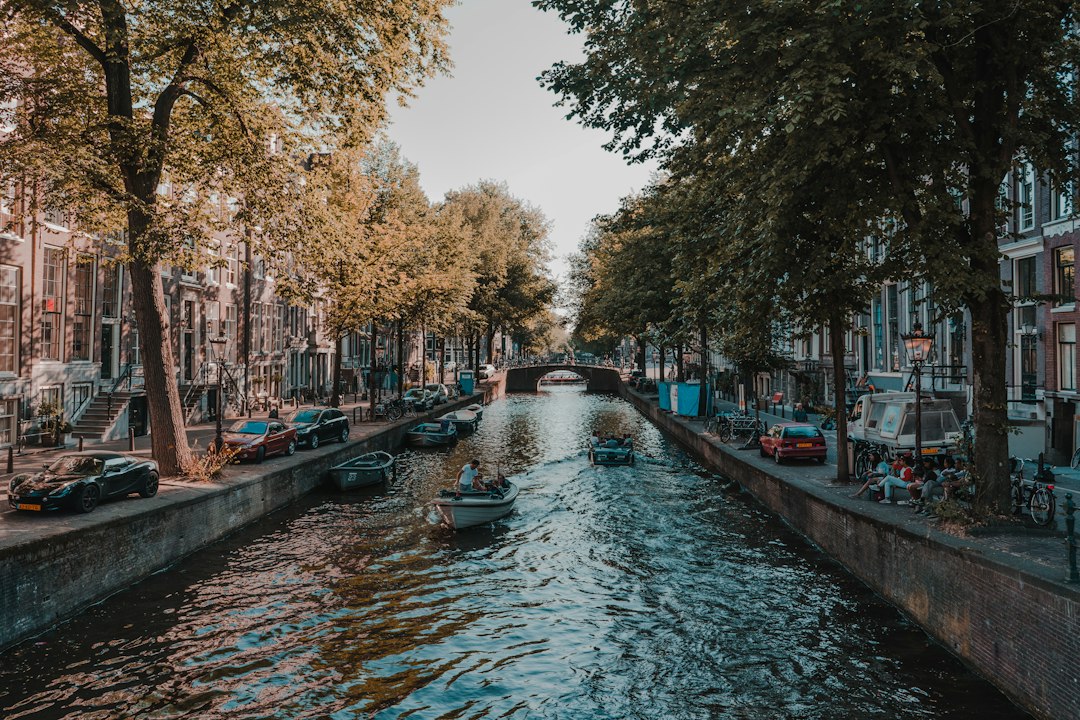
Netherlands bridging loans
Netherlands bridging loans provide short-term property finance from €1m to €500m+ for investors, companies and high-net-worth borrowers who need funds in place before long-term finance is available. The Netherlands is often called Holland. We are a broker with access to lenders, so we find the right lender for your property, negotiate the terms and manage the process through to drawdown.
We focus on larger transactions, from €1m up to €500m+. We do not arrange small loans. Dutch banks can be selective with foreign borrowers, company structures and time-sensitive deals, so specialist lenders and international funds often provide the short-term finance instead. We take your case to the ones that lend at your size and in your location, and compare their offers for you.
What is a bridging loan in the Netherlands?
A bridging loan is a short-term loan secured on property. It gives you funds when you need them, and you repay it from a planned event such as a sale, a refinance or the release of other capital. It is not a mortgage. A mortgage is repaid over many years from income. A bridging loan is normally repaid in one payment at the end of the term, so lenders look closely at the property and at how you will repay.
Bridging products from Dutch banks are usually aimed at homeowners moving house. The loans we arrange are different. They start at €1m and are for investors, companies and high-net-worth buyers who need larger, flexible short-term finance against Dutch property.
What you can use a Netherlands bridging loan for
- Buying an apartment block, office, hotel or commercial building before long-term finance is in place
- Completing a purchase before another property or asset has been sold
- Refinancing an existing loan that is ending or has not been renewed
- Releasing capital from a property you already own in the Netherlands
- Buying a building or land where you plan to arrange longer-term or development finance later
- Securing a purchase with a fixed completion date or a deposit at risk
- Funding a business need against a property you own
- Buying a portfolio of properties in one transaction
Property we arrange bridging finance against in the Netherlands
- Apartment blocks and residential investment property
- Prime homes and canal-side buildings
- Build-to-rent and mid-market rental housing
- Student housing and co-living buildings
- Offices, retail and mixed-use buildings
- Logistics and industrial units
- Hotels and aparthotels
- Land and buildings with a permit in place
Where we arrange bridging finance in the Netherlands
We arrange finance for property across the country. Lender demand is usually strongest in the Randstad and the main regional cities:
- Amsterdam and the Amsterdam region: residential, offices, hotels and mixed-use buildings
- Rotterdam: residential, commercial and mixed-use property
- The Hague: residential and rental property
- Utrecht: residential and rental property in one of the fastest growing cities
- Eindhoven and Brabant: housing, logistics and mixed-use property
- Haarlem, Almere, Amersfoort, Leiden and Delft: housing and rental property around the main cities
- Groningen, Nijmegen, Arnhem and Maastricht: student, residential and commercial property
Property in other locations can still be funded. Lenders will look harder at the value and how easily it could be sold, so a clear valuation and a strong exit help.
Who we work with
- International investors buying or refinancing in the Netherlands
- High-net-worth individuals and family offices
- Property companies and funds with Dutch assets
- Hotel and hospitality groups
- Owners who want to release capital from Dutch property without selling
- Buyers who need to complete before a mortgage or another sale comes through
The borrower can be an individual, a company or a special purpose vehicle (SPV). It can be incorporated anywhere in the world, including as a Dutch company (B.V.). Lenders will want to see the ownership chart and where your funds come from.
How a Netherlands bridging loan works
- Send us the case. Tell us the property, its location and value, the amount you need, what the loan is for and how you will repay it.
- We approach lenders. We take it to the specialist lenders, funds and private lenders that fit.
- Compare terms. We compare the offers and negotiate the best one for you.
- Valuation and legal work. The lender values the property, and your Dutch lawyer and notary and the lender’s lawyers complete the paperwork.
- Drawdown. The funds are released once the conditions are met.
- Repayment. The loan is repaid from your planned exit at the end of the term.
What lenders look at
- The property: its location, type, condition, title and value
- How much you want to borrow against that value
- Your exit: a clear, realistic plan to repay
- The borrower: who owns the company and who stands behind it
- Where your funds and equity come from
- What the loan is for
- Any other debt on the property
Bridging lenders lend mainly on the property and the exit rather than on your income, which is why they can often move when a bank cannot.
How the loan is repaid
Lenders want to know how the loan will be repaid before they agree it. The usual routes are:
- Sale of the property the loan is secured on
- Sale of another property or asset
- Refinance onto a longer-term loan with a Dutch or international lender
- A planned liquidity event, such as the sale of a business or an investment
- Repayment from other capital you already hold
The stronger and better evidenced your exit, the more lenders will be willing to look at your case and the better the terms are likely to be.
What it costs
A bridging loan normally has interest, an arrangement fee, an exit fee, and the lender’s valuation and legal costs. Interest is usually added to the loan rather than paid monthly. Terms depend on the property, the borrower, the exit and the lender. We agree our own fee with you in writing before we approach anyone, and we give you an indication of likely terms once we have seen the case.
Buying and borrowing in the Netherlands: what to expect
- A property sale in the Netherlands is completed in front of a notary, and the notary and your own lawyer handle the legal checks
- Lenders usually take a mortgage right over the property, and sometimes security over the shares of the borrowing company
- Zoning and permit position can affect the value, so lenders check them early
- Documents in Dutch may need an English translation for the lender
- Loans are normally in euros
- You should take advice from a Dutch lawyer and tax adviser before you commit
We can point you to the type of adviser you need, but we do not give legal or tax advice.
Documents to have ready
- Identity and proof of address for the borrower, directors and owners
- Company details and an ownership chart, if a company is borrowing
- Title documents, or the purchase contract
- A recent valuation, if you have one
- Details of any existing loan on the property
- Evidence of your funds and where they come from
- Your exit plan, with supporting evidence such as a sale agreement or refinance indication
- A short summary of your property and finance experience
- Recent accounts or a statement of net worth
Having these ready shortens the time it takes to get firm terms.
How to improve your chances
- Explain the purpose of the loan and your exit clearly at the start
- Give a realistic value and back it up with evidence
- Be open about any problems, because lenders find them in due diligence anyway
- Show where your funds come from, especially if you are not based in the Netherlands
- Engage your Dutch lawyer and notary early
- Give us the full picture so we approach the right lenders first time
Bridging finance or development finance?
A bridging loan is for buying, refinancing or releasing capital against a property that already exists, over a short period. Development finance pays for the construction or conversion of a scheme and is released in stages as the work progresses.
If you are buying a building or site now and plan to develop or convert it later, a bridging loan can secure the purchase, and development finance can follow once the plans and permits are in place. We arrange both, and we can tell you which fits your project.
Why use a broker
Lenders differ widely on how much they will lend, what they charge and what they ask for. We deal with them every day, present your case the way their credit teams read it, and save you approaching them one by one. You deal with one team from first enquiry to drawdown.
Talk to us about your Dutch property
Send us the basics through the enquiry form and we will come back to you with an indication of lender appetite and likely terms.
Netherlands bridging loans FAQ
What is the minimum loan for a bridging loan in the Netherlands? We arrange facilities from €1m, and up to €500m+ for the largest cases.
Is Holland the same as the Netherlands? Holland is the common name for the Netherlands, and it is the same country. We arrange bridging finance for property across the whole country, not just the Holland region.
Can a foreign or non-resident borrower get a bridging loan in the Netherlands? Yes. Lenders lend to individuals and companies from any country. They check your identity and where your funds come from.
How is this different from a Dutch bank bridging loan? Dutch bank bridging products are usually for homeowners moving house. We arrange larger loans from €1m for investors, companies and high-net-worth buyers.
How long does it take to arrange a bridging loan in the Netherlands? It depends on how ready the case is. Valuation and legal work usually take the longest, so having your documents ready saves time.
How long is the term? Bridging loans are short-term. The lender sets the term around your exit, and we tell you what is available once we have the details.
Can I use the loan to buy property in the Netherlands? Yes. Many borrowers use a bridging loan to complete a purchase before long-term finance or another sale is in place.
Can I release capital from a property I already own? Yes, where the property is suitable and the lender is happy with your plan for the funds and your exit.
Do I need an exit plan? Yes. Every lender wants to see a clear, realistic way to repay the loan.
Do I need a Dutch company? No. The borrower can be an individual or a company from any country. Some borrowers set up a Dutch company (B.V.) for the purchase.
What security does the lender take? Normally a mortgage over the property, and sometimes security over the shares of the borrowing company. Your Dutch lawyer and notary handle the registration.
Can the loan be in euros? Loans are normally in euros. Ask us if you need another currency, as it depends on the lender.
Are you a lender? No. We are a broker. We place your case with specialist lenders, funds and private lenders and negotiate the terms for you.
Do you charge a fee? We agree our fee with you in writing before we approach any lender.