
Where a property needs cosmetic modernisation – new kitchens, bathrooms, redecoration, rewiring – before it meets a mortgage lender’s habitability criteria or achieves its full market value, a light refurbishment bridging loan funds the acquisition and the works as a single facility, structured around the project rather than a generic product grid.
Platinum Global Bridging Finance arranges light refurbishment bridging loans from £250,000 to £10,000,000+ across the UK, drawing on a panel of specialist lenders, banks and private funds. This page explains what counts as light refurbishment, how lenders structure the facility, what it costs, and how to get from enquiry to completion quickly.

At a Glance
| Facility size | £250,000 to £10,000,000+ |
| Loan-to-value | Up to 75% standard, up to 85% on strong cases |
| Indicative rates | From 0.59% per month, priced on leverage, asset and exit strength |
| Term | 3-18 months, structured around the works and exit timeline |
| Works funding | Single advance or staged drawdowns against evidenced progress |
| Valuation route | Desktop, AVM or full RICS depending on leverage and asset profile |
| Regulatory status | Unregulated business and investment purposes. Owner-occupied cases are regulated and are covered on our regulated bridging page. |
What Qualifies as Light Refurbishment
Light refurbishment covers non-structural improvement where the property’s use class stays the same and no planning permission or building control sign-off is required. Typical works include:
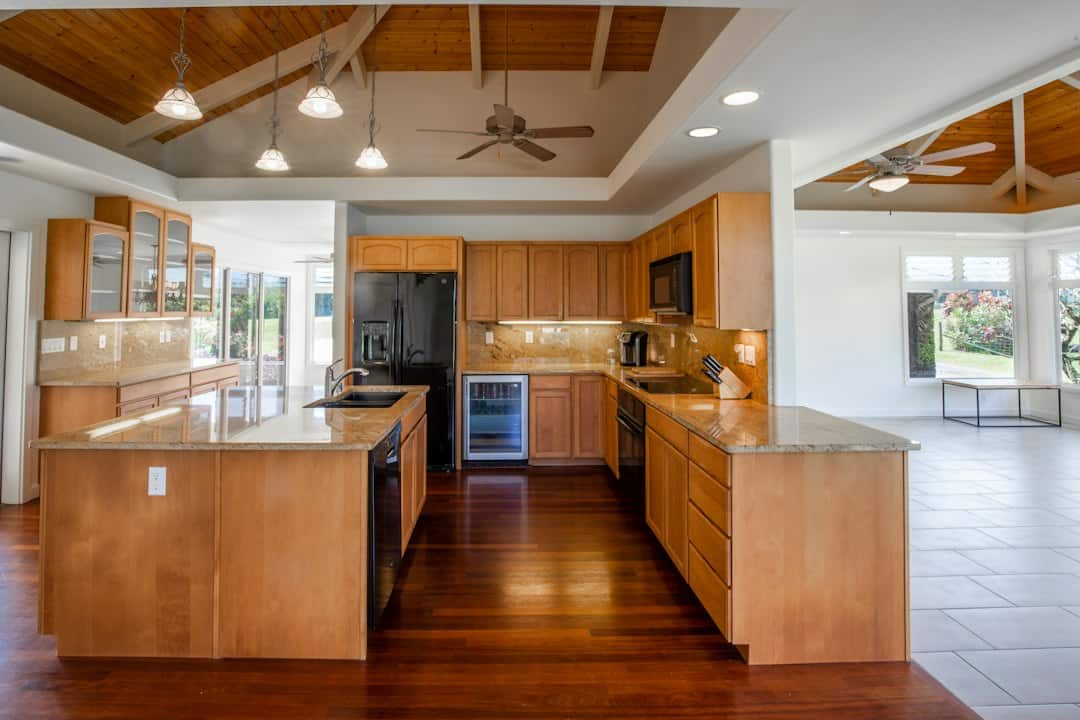
- New kitchens and bathrooms
- Redecoration, plastering, flooring and carpentry
- Rewiring, replumbing and heating system replacement
- New windows, doors and insulation
- Internal reconfiguration that does not involve load-bearing walls
- Damp treatment, compliance works and EPC-driven improvements
Works that remove or alter load-bearing walls, add an extension or loft conversion, change the use class, or need planning permission fall outside the light category. They are heavy refurbishment or development, with a different risk profile, different pricing and usually a different lender. Our Development Finance page covers those structures.
Light Versus Heavy Refurbishment: Why the Line Matters
Lenders treat the two categories very differently, and the classification drives almost every other term in the facility:
- Pricing: light refurbishment is generally the cheaper of the two because the property’s structure is unchanged and the lender’s security is not being materially altered.
- Valuation: some lenders will use a desktop or AVM valuation on light refurbishment cases. Heavy refurbishment almost always needs a full inspection and a schedule of works.
- Speed: underwriting a cosmetic scope is simpler, so offers and completions are typically faster.
- Drawdowns: light cases are often funded as one advance or a small number of tranches. Heavy cases usually need monitoring surveyor sign-off at each stage.
The practical risk is scope drift. A project that starts as light refurbishment but picks up a structural alteration halfway through can be re-classified by the lender, which may mean repricing, a new valuation or a transfer to a different product. We test your works schedule against lender definitions before applying so this is settled at the outset.
Why the Works Scope Drives Lender Fit
A standard acquisition bridge gets a purchase done quickly, but it does not account for funding flexibility during works. Light refurbishment facilities are underwritten with the works scope specifically in mind: the lender confirms the project genuinely qualifies, then structures drawdown, valuation route and pricing accordingly. Getting this classification right at the outset avoids delays later if a lender decides partway through that the scope has drifted into heavy refurbishment territory.
How Much Can You Borrow: A Worked Example
Headline loan-to-value is usually measured against the purchase price or current value, with the works element funded on top, subject to an overall cap against the expected post-works value. Here is an illustrative case:
| Purchase price | £400,000 |
| Works budget | £60,000 |
| Expected value after works | £520,000 |
| Day-one advance at 75% of purchase price | £300,000 |
| Works advance (released in tranches) | £60,000 |
| Total facility | £360,000, which is about 69% of the post-works value |
This is an illustration only, not a quote. Actual terms depend on the lender, the property, your experience and the exit. Some published lender products allow further advances covering up to 100% of the refurbishment cost, while others fund a lower proportion of the works and expect the borrower to contribute. Interest is commonly rolled up or retained from the facility, so the net funds available at completion are lower than the gross loan figure. Always compare net advance, not just headline LTV.
Valuation Speed: Desktop, AVM and Full RICS Routes
We take a desktop, Automated Valuation Model, or no-valuation-first approach wherever the case supports it, prioritising speed without compromising the lender’s security position. This can materially compress completion timelines compared with defaulting to a full RICS Red Book valuation on every case, which matters most for auction purchases or competitive acquisitions where timing decides the deal. Some lenders now permit AVMs on light refurbishment cases specifically. Our AVM Bridging Loans page explains which properties qualify and what limits apply.
Staged Drawdowns for Larger Projects
For more substantial refurbishment scopes, funds are typically released in tranches against evidenced works progress rather than as a single advance, protecting both the borrower’s cash flow and the lender’s security. A typical process looks like this:
- The lender agrees the works schedule and budget at underwriting.
- The day-one advance funds the purchase or refinance.
- You complete a stage of works and submit invoices or photographs.
- The lender, sometimes through a monitoring surveyor, confirms progress and releases the next tranche.
Smaller, more straightforward projects can often be funded as a single advance instead. It is worth discussing your project’s scale and drawdown needs with us directly, since the right structure varies considerably.
What Does a Light Refurbishment Bridging Loan Cost?
Pricing is built from several elements, and the monthly interest rate is only one of them:
- Interest: priced per month, from around 0.59% at the stronger end of our panel, with published specialist lender rates commonly running somewhere between 0.6% and 1.0% per month depending on leverage, loan size and asset.
- Arrangement fee: commonly 1% to 2% of the facility, sometimes added to the loan.
- Valuation fee: reduced or removed where an AVM is accepted, higher for a full RICS inspection.
- Legal costs: your own solicitor plus the lender’s, which are usually payable by the borrower.
- Drawdown and monitoring fees: applicable where works are released in stages.
- Exit fee: some lenders charge one, many do not. Ask for it up front.
The right comparison is total cost of borrowing over your realistic term, including fees, not the headline rate. A slightly higher rate with no exit fee and quick completion can beat a cheaper-looking offer that stalls at valuation.
The EPC and Regulatory Driver Behind Rising Demand
Tightening energy efficiency standards for rented property are a growing driver of light refurbishment demand, with landlords using this facility type to fund new windows, insulation and heating upgrades ahead of refinancing onto a compliant long-term product. Policy in this area continues to develop, so it is worth checking the current requirements for your property type. This sits alongside more conventional drivers: post-auction demand for un-mortgageable stock, and investors targeting cosmetic uplift to maximise achievable rent or resale value.
Typical Light Refurbishment Projects
- Auction purchases that fail a mortgage lender’s habitability test because of a dated kitchen, bathroom or electrics.
- Buy, refurbish, refinance: acquire below market value, modernise, then refinance onto a buy-to-let mortgage at the improved value.
- Flips: cosmetic improvement for resale within the term.
- Probate and inherited property that needs updating before sale or letting.
- Existing holdings: refinancing a property you already own to fund works and release capital.
Non-Structural HMO Conversions
Converting a property into a smaller HMO, typically up to six tenants, without structural alteration can fall within light refurbishment criteria in many cases. It is worth discussing specifically with us given the additional licensing, fire safety and planning considerations HMO conversion brings. Our HMO Bridging Loans page covers conversions in detail, and our HMO Finance page covers the wider financing picture once the HMO is operating.
Exit Strategies: Refinance or Sale
Every bridging lender will want a credible, evidenced exit before it lends. For light refurbishment the two common routes are:
- Refinance onto term debt: a buy-to-let or residential mortgage at the improved post-works value. Term lenders assess rental cover against a stressed rate, so model the rent and valuation realistically before you draw down.
- Sale: marketing the property once works complete. Allow time for works overruns, marketing and conveyancing within the term.
Build in contingency. If works run late, extending the term or refinancing the bridge is possible but costs more, so a term sized with headroom is almost always cheaper than a short term that has to be extended. For larger projects that outgrow light refurbishment partway through, our Development Finance page covers the more substantial funding structures.
Combining Refurbishment Finance With a Wider Portfolio Strategy
For clients running or building a property portfolio, light refurbishment facilities are commonly arranged alongside other financing on the same portfolio, and it is worth discussing your overall strategy with us from the outset rather than treating each acquisition in isolation. Our Commercial Property Finance page covers the wider commercial lending relationship this can sit alongside for mixed residential and commercial portfolios.
Adverse Credit and Complex Borrower Profiles
Bridging lenders focus primarily on security quality and exit credibility rather than credit history, meaning adverse credit does not automatically rule out a light refurbishment facility. Our Adverse Credit Bridging Loans page covers this in more detail for clients with a more complex credit history.
International and Non-UK Resident Borrowers
We regularly arrange light refurbishment facilities for non-UK residents and international investors, with appropriate additional documentation and typically a slightly longer turnaround than a straightforward domestic case, depending on jurisdiction and source of funds.
What We Need to Get Started
- Address and purchase price or current value of the property
- A works schedule with costs and a realistic timeline
- Your intended exit, with supporting figures
- Details of the borrowing entity and any other properties you hold
- Proof of identity and source of funds for any deposit or contribution
A short summary is enough for an initial view. We will tell you quickly whether the case fits light refurbishment criteria and which lenders suit it.
Frequently Asked Questions
What is the minimum facility size for light refurbishment bridging?
Typically from £250,000 through us, structured individually based on the property, works scope and exit strategy. Some lenders in the wider market go lower, but those are different products.
What loan-to-value can I expect?
Up to 75% as standard, with up to 85% achievable on strong cases depending on asset quality, borrower experience and exit strength. Check whether the figure is gross or net of interest and fees.
Can I borrow for the works as well as the purchase?
Yes. The facility is designed to fund both. Works money is commonly released in tranches, subject to an overall cap against the post-works value.
How quickly can a light refurbishment facility complete?
Where the case supports a desktop, AVM or no-valuation route, completion can be significantly faster than a facility requiring a full RICS valuation. Legal work is often the real bottleneck, so instruct solicitors early.
Do I need planning permission for light refurbishment?
No. If the works need planning permission or building control sign-off for structural change, they generally fall outside light refurbishment and into heavy refurbishment or development finance.
What happens if my project scope grows beyond light refurbishment criteria?
Tell us as early as possible. Larger or structural projects are better suited to our development finance structures, and we can help transition the facility accordingly.
Can I get a light refurbishment bridging loan with adverse credit?
Often yes. Lenders focus mainly on the security and the exit rather than credit history, though terms may vary.
Is a light refurbishment bridging loan regulated?
Where the property is for investment or business purposes, the loan is unregulated. If you or a close family member will live in the property, the loan is regulated. See our Regulated Bridging Loans page.
Get in touch with details of the property and your refurbishment scope, and we will structure a facility around the project, the works and the exit – not a pre-set product grid.