
Part Complete Development Funding
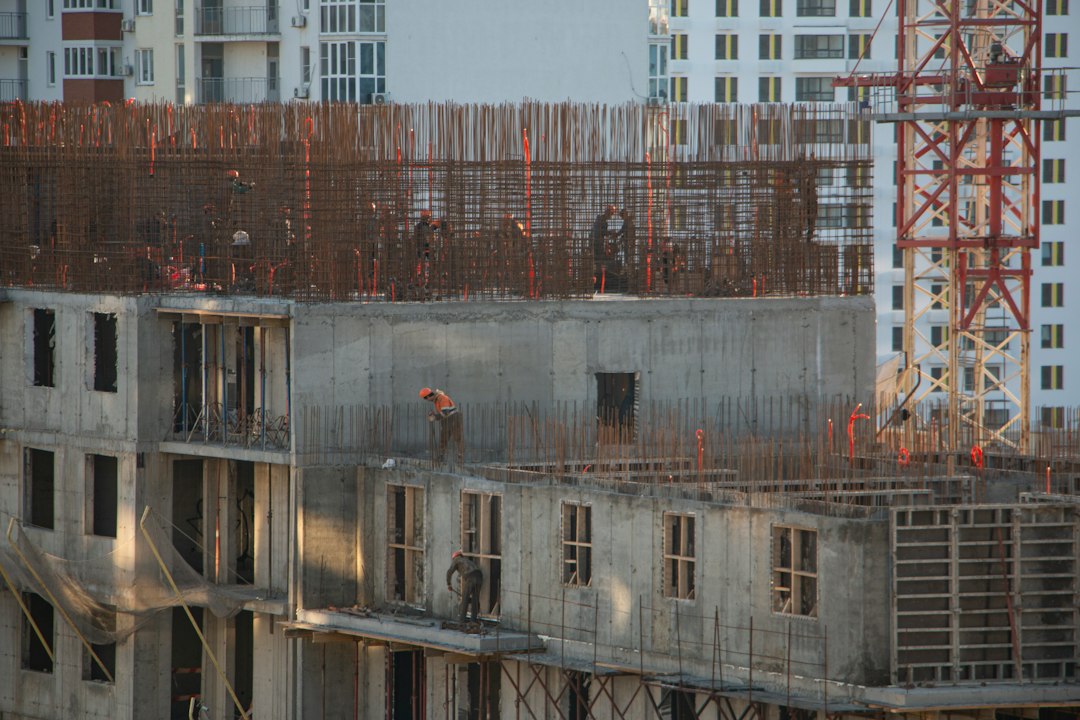
Part complete development funding for large schemes
A development that stops halfway is not a failed development. Facilities expire before the roof is on, build costs outrun the budget, a contractor leaves, or a lender decides it no longer wants the exposure. Part complete development funding is built for that point: it refinances the existing lender, pays for the works still to do, and gives you time to sell or refinance the finished units.
We arrange part complete development funding for schemes in England and Wales at any stage of build, for experienced and first-time developers alike. Platinum Global Bridging Finance works with lenders who will fund a site that has already been through a difficult stretch, and we present the case so that the reason the project stalled is explained clearly and early.
What Is Part Complete Development Funding?
Part complete development funding is a single short-term facility secured by a first charge on a partly built site. It does two jobs at once. On day one it repays whatever is outstanding to the existing lender. The remaining budget is then held back and released in stages as the works are completed and certified by a monitoring surveyor. In the market it is sometimes called finish and exit funding.
That makes it different from a standard bridging loan, which is advanced in full up front, and from development exit finance, which is for schemes that are already finished and waiting to sell. Part complete funding sits between the two: the building is unfinished, but it has real, valued work in the ground. The lender’s question is no longer “can this be built?” but “what will it cost to finish, and what will it be worth when it is?”
Indicative terms
- Rates: from around 0.56% to 0.88% per month, depending on the lender, the stage of build and the risk, with some lenders adding base rate
- Leverage: up to 70% of gross development value, and up to 85% of total cost with some lenders
- Term: up to 24 months, set by the remaining programme plus a sales or refinance period
- Loan size: from around £250,000 to £10m
- Security: first legal charge over a site in England or Wales
- Borrowers: first-time developers, overseas borrowers and corporate structures considered case by case
These are indicative figures based on specialist lenders’ published terms, not an offer. Actual pricing depends on the stage of build, the cost to complete, your experience and the exit. We confirm terms with each lender before you commit.
When Do You Need Part Complete Development Funding?
Most part-built schemes reach this point for one of a handful of reasons. The right solution depends on which one applies, so lenders will ask early.
Your development facility has expired or been called in
Programmes slip, sales slow down and builds overrun. If the facility matures before the scheme is finished and your lender won’t extend, a new lender can repay it and fund the works that remain.
You have run out of build budget
Cost inflation, a variation or a contractor’s claim can leave the original facility short of what it takes to finish. Part complete funding re-sets the budget against a fresh cost-to-complete and a current valuation.
Your contractor has left or been replaced
A contractor failure is one of the most common causes of a stalled build. Lenders will want to see a replacement contractor, a revised programme and costs, and evidence of what the site is worth as it stands.
Your lender has withdrawn or changed its appetite
Banks and funds change their lending criteria. A site can become unwelcome to its existing lender even when the scheme itself is sound.
You are buying a part-built scheme
Developers and investors acquire unfinished sites from administrators, lenders or other developers, often at a discount. Funding can cover the purchase and the works to complete in one facility.
Works have stopped for planning, building control or warranty reasons
Discharge of conditions, building control sign-off or a missing structural warranty can freeze a build. These are fixable, but they change what a lender needs to see before it will advance.
Whatever the cause, the lender’s first question is the same: why did it stop, and what has changed so it won’t happen again? A clear account of that, with a costed plan to finish, is what moves a case forward.
What Lenders Look At
Part complete cases are underwritten more carefully than a standard development loan, because the lender is taking on someone else’s unfinished work. Expect them to focus on five things.
- Why it stalled. A short, honest history: what was planned, what went wrong and what is different now. Lenders are far more comfortable with a clear cause than an unexplained gap.
- Value as it stands. A valuer will assess the site in its current part-built state, and again on completion. The gap between the two is the value your remaining works create.
- Cost to complete. A costed schedule of the works still to do, ideally checked by an independent monitoring surveyor, with contingency.
- The team. Who will finish the job: the existing contractor, a replacement, or you. Contractor experience matters most on first-time and heavier schemes.
- The exit. Whether the finished units will be sold or refinanced, and what evidence supports that, such as agents’ opinions, reservations or a refinance route.
How Lender Appetite Changes With the Stage of Build
Not every lender will fund a site at every stage, and this is where a broker saves the most time. Some lenders will only look at schemes with the last small portion of works outstanding. Others will take on a site as soon as foundations are in. Typical pressure points are:
- Early stage (foundations, slab, frame): the most value still to be created, and the most risk. Fewer lenders, tighter leverage, closer monitoring.
- Mid stage (watertight, first fix): the most common part complete case. Costs are better understood and the valuation gap is clearer.
- Late stage (second fix, snagging): the easiest to place. The remaining spend is small, so some lenders will fund it where they wouldn’t fund an earlier stage.
We match the case to lenders by build stage before approaching anyone, so you aren’t turned down by lenders who would never have funded that stage.
How the Facility Works
- Day-one advance. Funds repay your existing lender, and any other secured debt, in full.
- Retained build funds. The budget to complete is ring-fenced for the works that remain.
- Monitoring surveyor. An independent surveyor visits the site, certifies progress and recommends each drawdown.
- Staged drawdowns. Money is released against completed, certified work, usually in arrears.
- Practical completion. Once the works are signed off, you move to sale or refinance.
- Repayment. The facility is repaid from sale proceeds or by refinancing onto a longer-term product.
Interest can often be rolled up or retained, depending on the lender, so there may be no monthly payments to make while you finish.
Costs and Fees
Part complete funding costs more than a standard development loan, and the figures to ask about are the ones outside the rate. Budget for:
- Arrangement fee to the lender
- Valuation, usually an as-is value and a completion value
- Monitoring surveyor fees, charged per visit and at set-up
- Legal costs for both sides
- Exit fee, where the lender charges one
- Broker fee, which we disclose before you proceed
We always show you the full cost, including everything above, on the terms before you commit.
Exit Routes
The lender needs to know how the loan will be repaid before it advances a penny. The usual routes are:
- Selling the finished units. The most common route, repaid from sale proceeds.
- Refinancing onto a longer-term loan. Typical for schemes you intend to keep. See development exit finance for the stage after completion.
- A blend. Selling some units to reduce the debt, then refinancing the remainder.
- Equity release. Some lenders will agree in advance to release equity once the works complete.
Build in time for sales. The 24-month ceiling includes the period after practical completion, so a slow market can use up your margin quickly.
Dealing With Your Existing Lender
Part complete funding means taking out someone who is already in place, and that conversation matters as much as the new facility. Before you instruct anyone:
- Find out your existing lender’s redemption figure, including any default interest or exit fees.
- Ask whether they will agree a standstill, which is a short pause on enforcement while a refinance completes.
- Keep communication open. Lenders deal far more constructively with a developer who is engaged and has a plan than with one who has gone quiet.
- Tell us early if you have received a formal demand or notice, because it changes the timetable.
What You Will Need to Apply
Have as much of the following ready as you can. Gaps are not fatal, but missing items slow the valuation and the decision.
- A short history of the scheme and why works stopped
- Planning permission and any discharged conditions
- The existing lender’s facility letter and redemption statement
- Latest monitoring surveyor or QS report, if any
- A cost-to-complete schedule and programme
- Build contract and details of the contractor
- A development appraisal showing GDV and costs
- Evidence of the exit: agents’ opinions, sales to date or refinance proposals
- KYC and asset and liability statements for the borrowers and any guarantors
Our development loan application process page explains what happens after you apply.
First-Time Developers and Part-Built Refurbishments
Experience matters, but it does not decide every case. Some lenders will fund first-time developers on part-built schemes, particularly where a strong, experienced contractor is in place and the reason for the stall is clear. Expect closer monitoring, tighter leverage and more questions about who is managing the build.
The same logic applies to part-finished refurbishments. If the works are structural, the case sits closer to part complete development funding. If they are lighter, a refurbishment development finance facility may fit better. We will tell you which route suits the scheme.
A Worked Example (Illustrative Only)
This is a simplified example to show how the numbers fit together. It is not a real deal, and it is not a quote.
- Site as it stands: valued at £1.8m
- Owed to existing lender: £1.4m
- Cost to complete the works: £600,000
- Expected value when finished (GDV): £3.6m
| Day-one advance to repay existing lender | £1.4m |
| Retained funds to complete the build | £0.6m |
| Total facility | £2.0m |
| Facility as a share of GDV | about 56% |
At about 56% of GDV, the facility sits inside the 70% ceiling many lenders work to, leaving room for interest, fees and a sales period. The developer would draw the £0.6m in stages as the surveyor certified each phase.
Frequently Asked Questions
What is part complete development funding?
It is a short-term facility secured on a partly built site. It repays the existing lender and funds the works needed to finish, released in stages against certified progress.
How is it different from development exit finance?
Development exit finance is for completed schemes waiting to sell or refinance. Part complete funding is for schemes that still have works to do.
How far through the build do I need to be?
It depends on the lender. Some will only consider sites close to completion, others will fund from an earlier stage. We match the case to lenders by build stage.
Can first-time developers get part complete funding?
Often, yes, case by case. Lenders will focus on the cause of the stall, the contractor and the quality of the plan to finish.
How much can I borrow?
Typically from around £250,000, up to 70% of gross development value, and up to 85% of total cost with some lenders. Actual leverage depends on the lender and the stage of build.
How long does it take to arrange?
It depends on valuation, legal work and how complete your documents are. Some lenders say they can offer terms within a day. Completion takes longer, and we give you a realistic timetable when we see the case.
Can I get funding if my current lender is chasing me?
Possibly. Tell us early if you have received a demand or enforcement notice. A refinance, or a standstill while one completes, may still be possible.
What happens if the scheme costs more to finish than expected?
Lenders require a contingency in the budget and will monitor spending against it. If a shortfall emerges, you may need to fund it yourself or agree a revised facility, so an accurate cost-to-complete schedule matters.
Do you lend the money?
No. Global Financing Services Ltd, trading as Platinum Global Bridging Finance, is a finance intermediary and is not a lender. We arrange funding with lenders and are typically paid by the lender, and we confirm any broker fee in writing before you proceed. Bridging and commercial finance of this type is not regulated by the FCA.
Talk to Us About Your Part-Built Scheme
Tell us where the scheme stands, why it stopped and what is owed. We will give you a straight view on whether it can be funded and with whom.